Bánh Canh Cua in San Jose: Crab Tapioca Noodle Soup
Homio Editorial · November 9, 2026 · 5 min read
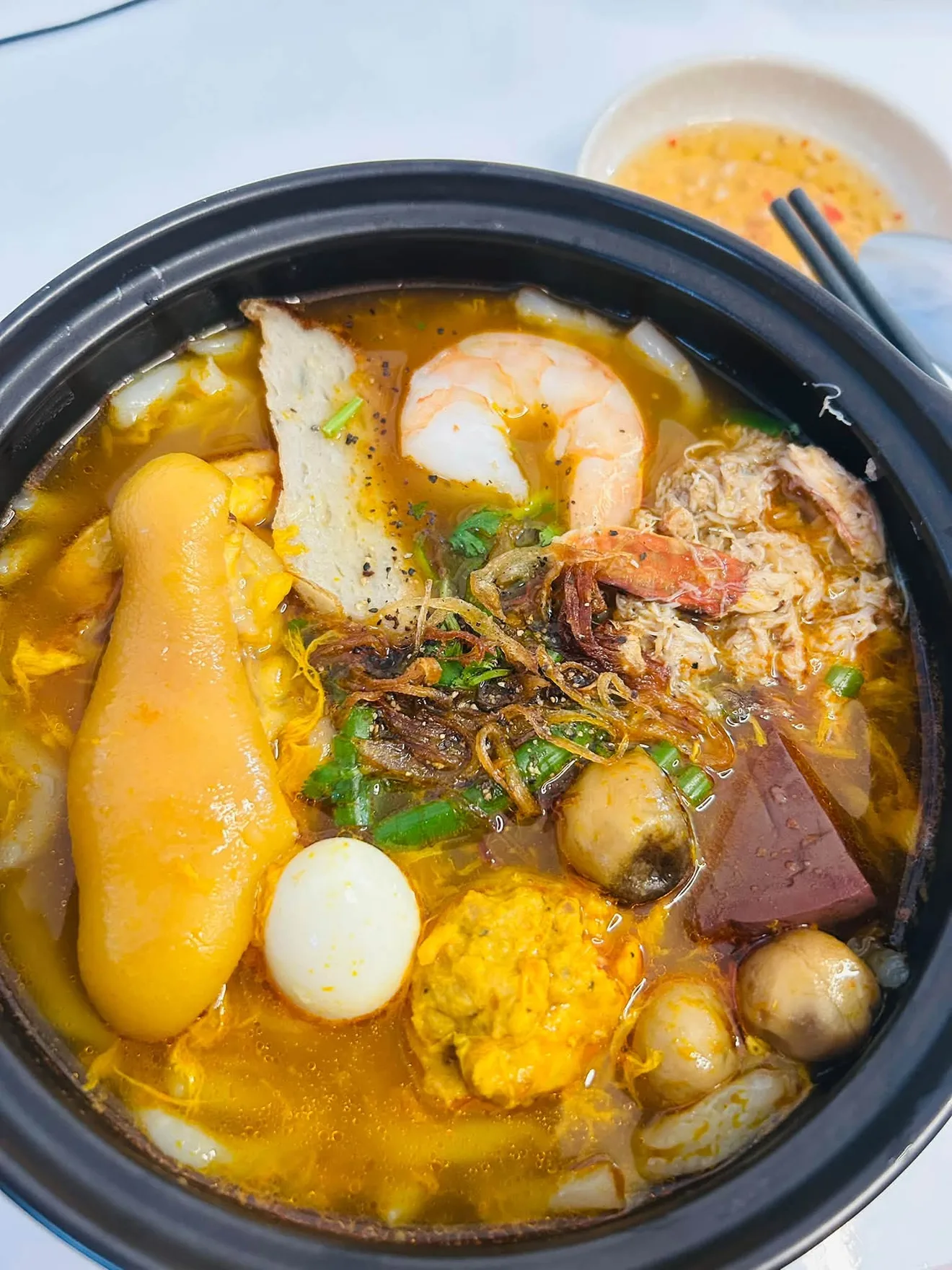
Crab Tapioca Noodle Soup (Bánh Canh Cua), the dish photo from Crab Noodle House’s Homio listing.
Bánh canh cua is the thick-noodle soup Vietnamese kitchens make when they want comfort with substance: fat, chewy noodles in a rich crab broth, usually loaded with crab meat and often with shrimp and quail eggs, finished with herbs, fried shallots, and black pepper. It eats heartier than phở and richer than bún riêu. In San Jose, you can order it from a home cook on Homio. Here is what the dish is, how it compares with other Vietnamese noodle soups, and where to find it.
What is bánh canh?
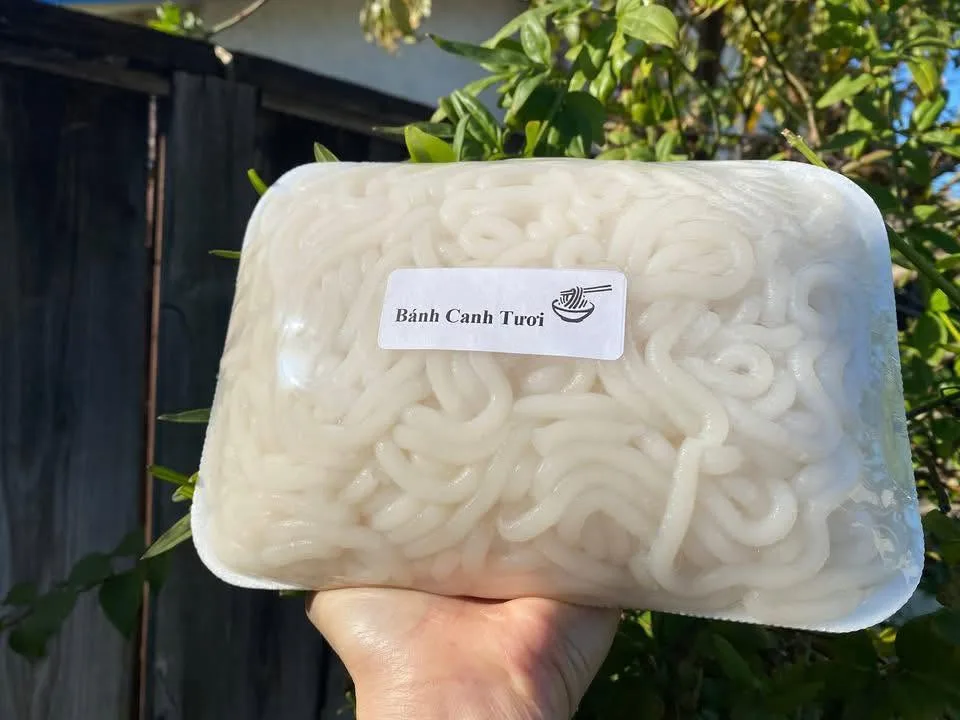
Start with the noodle. Bánh canh noodles are thick and chewy, closer to udon than to phở noodles, and are made from tapioca flour or a mix of rice and tapioca flour. The tapioca gives them a slightly translucent look and a springy bite, and the starch they release thickens the soup a little. Many cooks thicken the broth further, so it coats the noodles and the spoon instead of running clear. That body is the signature: bánh canh eats like a soup and a noodle dish at the same time.
Then the crab. Bánh canh cua builds the bowl around crab: crab meat in the broth and on top, often alongside shrimp, fish cake, or quail eggs, depending on the kitchen. The toppings are generous by design, so this is a soup where the protein is the point, not a garnish. Fresh herbs, fried shallots, black pepper, and lime cut through the richness.
Bánh canh itself is eaten across Vietnam in many regional versions, from fish-cake bánh canh in south-central Vietnam to bánh canh Trảng Bàng from the southeast. The crab version is one of the best known: a full meal in one bowl, not a snack.
Bánh canh cua vs phở vs bún riêu
Three Vietnamese soups, three different bowls. Phở comes from northern Vietnam: a clear, aromatic stock spiced with star anise and cinnamon, flat rice noodles, and, in its best-known form, sliced beef. Bún riêu is the tomato-and-crab soup: thin rice vermicelli in a tangy, tomato-red broth built on pounded crab, often with tofu. Bánh canh cua is the thick one: fat tapioca noodles in a rich crab broth with body, loaded with crab meat and eaten with a spoon as much as with chopsticks.
| Noodle | Broth | Signature toppings | |
|---|---|---|---|
| Bánh canh cua | Thick, chewy tapioca or tapioca-rice noodles | Rich crab broth with body | Crab meat, often shrimp, fish cake, quail eggs |
| Bún riêu | Thin rice vermicelli | Tangy tomato broth built on pounded crab | Crab cakes, tofu, tomato |
| Phở | Flat rice noodles | Clear stock with star anise and cinnamon | Sliced beef (or chicken), herbs |
Quick test: thin noodles in a clear broth point to phở. Thin noodles in a red, tomato-and-crab broth point to bún riêu. Thick, chewy noodles in a broth that coats the spoon, with crab on top, point to bánh canh cua.
Where to order bánh canh cua in San Jose on Homio
Crab Noodle House is a San Jose home kitchen built around crab noodle soup and Vietnamese home favorites. Its menu lists Crab Tapioca Noodle Soup (Bánh Canh Cua) at $15.75 a bowl, as of November 9, 2026. The same menu also lists Crab Vermicelli Soup (Bun Rieu Cua Dong), Satay Beef Noodle Soup (Hu Tieu Sate Bo), and Beef Ball Noodle Soup with Satay (Bún Bò Viên Sate), each at $15.75, plus Steamed Pork & Egg Loaf (Mắm Chưng) at $12.60 and Beauty Tonic Dessert at $6.30. Order the bánh canh cua and the bún riêu together and the table gets the thick-noodle and thin-noodle crab soups side by side.
Make it at home: fresh bánh canh noodles
If you would rather cook the soup yourself, The Daily Fresh Noodle is a San Jose home kitchen selling Fresh Banh Canh Noodles in a 1 kg tray, listed at $7.35 as of November 9, 2026. These are the thick noodles themselves, ready to cook in your own crab broth. A kilo tray makes several bowls, so it pairs well with a market run for crab meat, shrimp, and quail eggs. Check the listing for the next available days before you plan around it.
More bánh canh bowls from San Jose home cooks
Crab is not the only way to eat bánh canh. Other San Jose kitchens on Homio list their own versions, including Huế-style bánh canh with crab cake, shrimp, and pork, a “special” bánh canh with extra toppings, a vegetarian bánh canh, and bánh canh with shrimp and pork in coconut milk. Menus change, so check each cook’s page for what is on offer this week.
- King Road Noodle House: Huế-style and special bánh canh
- Vietnam Flavor Pho: Huế-style and special bánh canh
- Saigon Monday Kitchen: tapioca noodle soup (bánh canh)
- McLaughlin Sweet Rice House: vegetarian and coconut-milk bánh canh
- Browse all home cooks on Homio
How to eat bánh canh cua
Spoon first, chopsticks second. Use chopsticks for the noodles and the crab, and the spoon for the broth, which is too good to leave behind. Add lime for brightness, black pepper for warmth, and chili to taste. Eat it soon after pickup or delivery: the noodles keep soaking up the broth, and the bowl is at its best while they are still springy.
Crab Noodle House and The Daily Fresh Noodle both list pickup and delivery on Homio; delivery depends on your address, and checkout only offers what the cook supports. Cooks set their own prices and menus change, so confirm the details on the listing before you order.
Frequently asked questions
What does bánh canh cua taste like?
Rich, savory, and hearty: thick, chewy noodles in a crab broth with body, topped with crab meat and often shrimp and quail eggs, then finished with herbs, fried shallots, and pepper. The broth coats the noodles, so every bite carries noodle, broth, and crab together.
What is the difference between bánh canh and phở?
Phở has flat rice noodles in a clear, aromatic stock spiced with star anise and cinnamon, most famously with beef. Bánh canh has thick, chewy tapioca or tapioca-rice noodles in a thicker broth; bánh canh cua builds that broth and its toppings around crab.
What is the difference between bánh canh cua and bún riêu?
Both are crab soups. Bún riêu uses thin rice vermicelli in a tangy tomato broth built on pounded crab, often with tofu. Bánh canh cua uses thick, chewy noodles in a richer crab broth with more body. Same crab family, different noodle, broth, and bite.
How much is bánh canh cua on Homio?
As of November 9, 2026, Crab Noodle House lists its Crab Tapioca Noodle Soup (Bánh Canh Cua) at $15.75 a bowl, and The Daily Fresh Noodle lists a 1 kg tray of fresh bánh canh noodles at $7.35 for cooking at home. Cooks set their own prices, so check the live listing.
Can I order bánh canh cua for a group?
Yes. Order one bowl per person from Crab Noodle House and add a second soup from the same menu, such as the crab vermicelli soup, so the table can compare. Eat soon after pickup or delivery, while the noodles are still springy.
Sources and fact check
Homio listings, prices, and fulfillment options checked on eathomio.com on November 9, 2026. Cooks set their own prices and menus change, so confirm on the listing before you order.